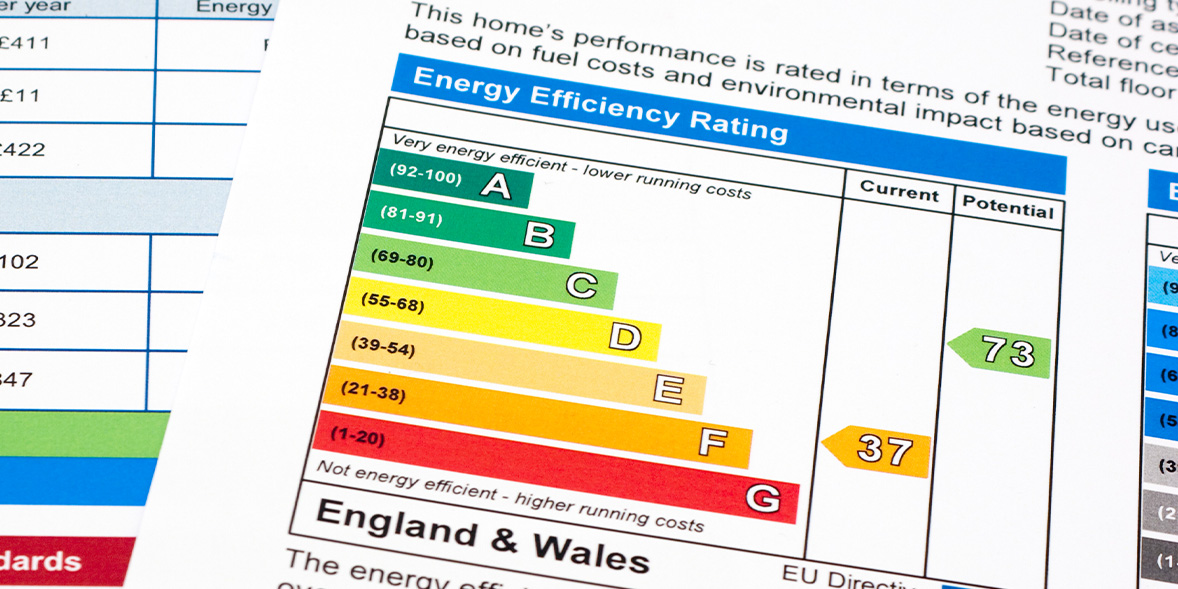







As a landlord, keeping track of safety certificates can feel like a full time job. With Gas Safety Certificates, Electrical Installation Condition Reports (EICRs) and Energy Performance Certificates (EPCs) all operating on different timelines, it is easy to see why confusion happens.
At First Certify, one of the most common questions we get from private landlords is this:
“My EICR is about to expire, but I have a tenant in situ (already living in the property). Do I still need to get a new one right away, or does the expiry only apply when new tenants move in?”
Let’s clear this up immediately. yes, you legally need a new EICR. Having a tenant stay in the property does not pause, delay, or waive your legal obligations.
Here is exactly what the law says, why this myth persists, and the massive risks of letting your electrical certification lapse.
The “In Situ” Myth: Why Landlords Get Confused
Many property owners accidentally mix up the rules for gas safety with electrical safety.
With Gas Safety checks (CP12), the certificate is strictly tied to the start of a tenancy agreement. If a gas certificate expires while a tenant is mid-tenancy, you must renew it annually, but you do not face the same immediate “day one” compliance rules required when onboarding a brand new tenant.
The Electrical Safety Standards in the Private Rented Sector Regulations are entirely different. The law explicitly states that a rental property must meet strict electrical safety standards at all times during an ongoing tenancy. The 5-year expiry date on an EICR is a hard, non-negotiable deadline. It does not matter if your tenant has lived there for six months or six years.
The High Price of Non Compliance
Operating a rental property with an expired EICR carries severe legal and financial consequences:
- Civil Penalties of up to £40,000: Local authorities have the power to fine landlords up to £30,000 to £40,000 per breach for failing to maintain electrical safety standards.
- Voided Buildings Insurance: Most major commercial and landlord insurance providers require valid, up to date safety certificates. If a fire occurs due to a faulty electrical installation and your EICR is expired, your provider will likely refuse to pay out.
- Block on Tenant Evictions: If you ever need to serve a possession notice (such as a Section 8 or Section 21 notice), a failure to provide your tenant with a valid EICR within the legally required timeframes can severely complicate or outright block your legal right to reclaim the property.
Step by Step: What to Do Next
If your EICR has expired, or is about to expire, with a tenant currently living in the property, take action immediately:
- Book an Inspection Right Away: Contact us to schedule the assessment. Keep a paper trail or email confirmation of your booking to prove you are actively resolving the issue.
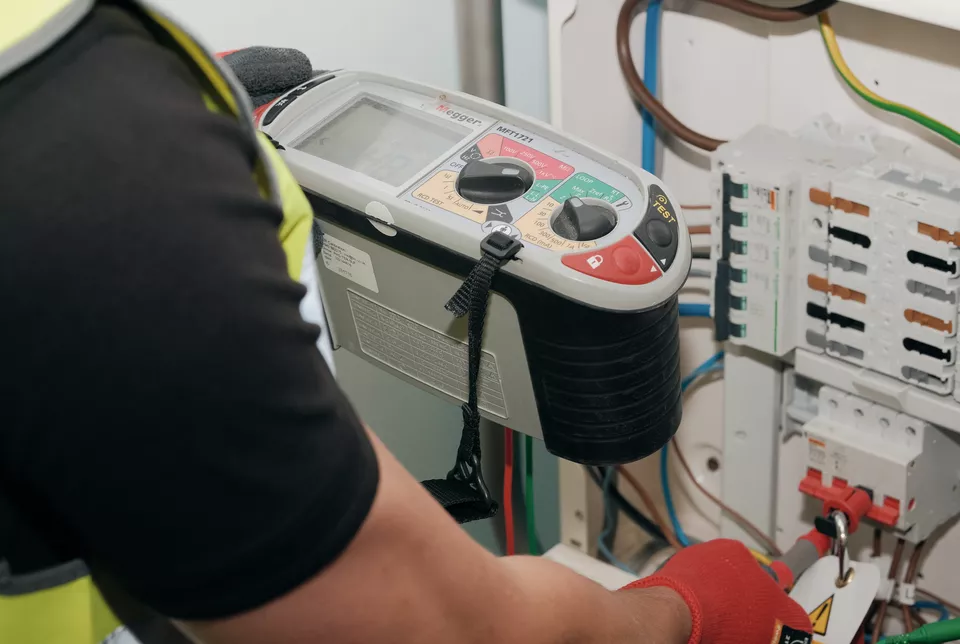
- Issue Written Notice to Your Tenant: Legally, you must give your tenant at least 24 hours’ written notice before an electrician visits the property. Explain clearly that this is a mandatory safety check designed to keep them safe.
- Distribute the Completed Report: Once the inspection is finished and you receive the pass certificate, you must give a copy of the new EICR to your current tenant within 28 days of the test.
Let First Certify Handle It
Don’t let an expired certificate put your investments, your insurance, or your tenants at risk. At First Certify, we have a vast team of fully qualified, accredited & local engineers to provide fast, reliable, and compliant EICR testing for landlords nationwide.
With fixed pricing and a 24/7 online booking system, you can Book your EICR assessment with First Certify today to stay fully compliant and fully protected.