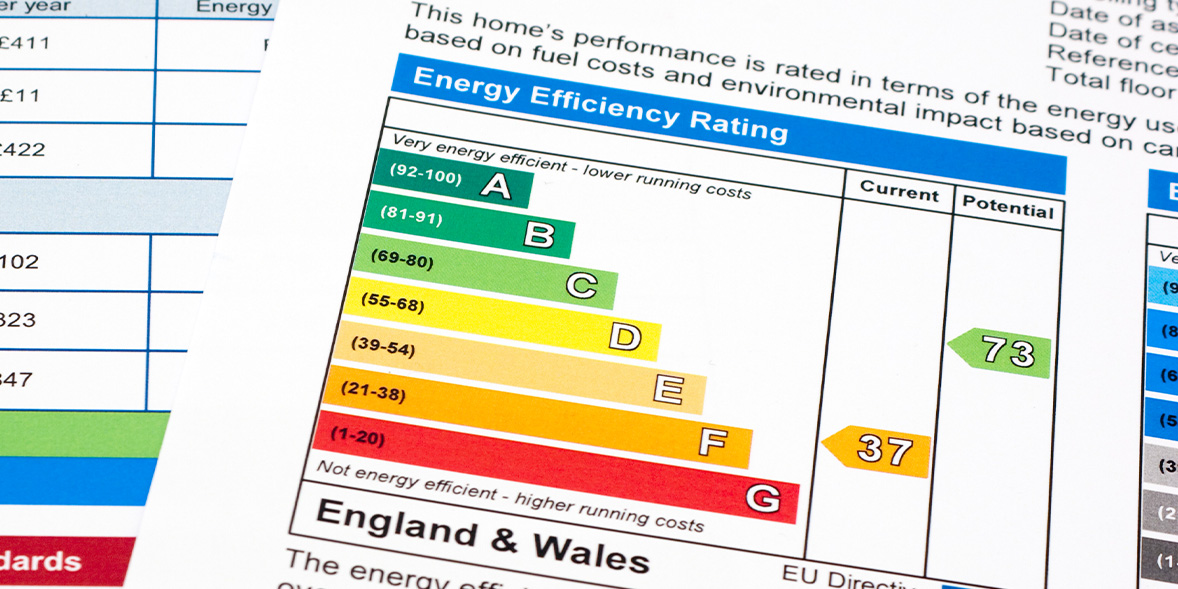






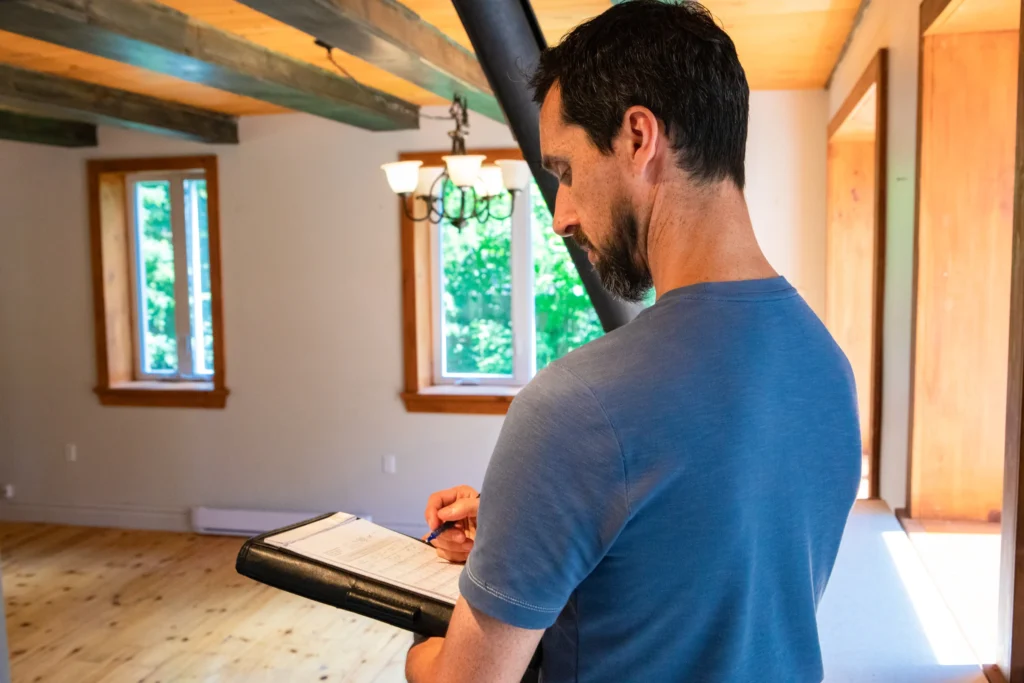
If you are a landlord or homeowner in Sussex, Kent, or London, an Energy Performance Certificate (EPC) is a legal necessity before selling or renting your property. But for many, the actual site visit feels like a mystery. An EPC assessment is a non-invasive survey that typically takes between 30 to 60 minutes. Here is exactly what our accredited assessors look for when they visit your property.
Internal and External Measurements
The assessor begins by determining the total internal floor area of the property. They will take measurements of every room of the building. This data is used to calculate the volume of air that needs to be heated.
Wall Construction and Insulation
The assessor will examine the thickness and type of your walls. They are looking to see if you have solid brick walls, which are common in older Victorian properties, or cavity walls, which are standard in modern homes. They will also check for evidence of cavity wall insulation, often identified by small drill holes in the mortar, or internal/external wall insulation, or any documentary evidence to suggest insulation has been installed.
Heating and Hot Water Systems
This is often the most important part of the rating. The assessor must inspect the boiler and record the make and model to find its exact efficiency rating on a national database. They also check for controls like thermostats, programmers, and Thermostatic Radiator Valves (TRVs). If you have a hot water tank, they measure the thickness of the foam lagging or jacket.
The Loft Inspection
The assessor must look into the loft if it is accessible. They are not looking at your storage; they are measuring the depth of the quilt insulation. If your insulation is 270mm or deeper, it significantly boosts your score.
Windows and Lighting
The assessor will check if your windows are single, double, or triple glazed. They also look at the fixed lighting, specifically what percentage of your bulbs are low energy LEDs. Switching all bulbs to LED is one of the cheapest ways to raise your EPC grade.
Evidence and Photos
To ensure compliance, the EPC assessor is required to take photographs of the boiler, the loft insulation, the windows, and each elevation of the house. These are for evidence to be uploaded directly to the surveying assessor’s accreditation body and are not shared publicly.
How to Prepare for the Visit
To ensure you get the highest possible rating, you should ensure the assessor has a clear path to the loft hatch and the boiler. If you have had solar panels, floor insulation, or new windows installed, having the paperwork or invoices ready to show the assessor can be very helpful. For HMOs, ensure the assessor has access to all rooms in the property.
Professional EPC Assessments
If you need to book a professional survey, you can visit our homepage at First Certify or go directly to our dedicated EPC page to learn more about our services across the South East.