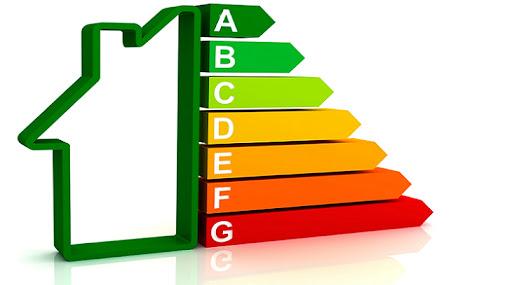

EPCs rate the energy efficiency of a building on a scale from A (most efficient) to G (least efficient). They provide information on energy use, typical costs, and recommendations for improvements. EPCs are required when a property is built, sold, or rented.
The UK government uses EPCs to encourage energy-saving measures and reduce carbon emissions from homes and commercial buildings. The certificates help buyers and tenants understand the energy performance of a property before committing.
Misconception 1: EPCs Will Be Replaced by 2030
Some believe EPCs will disappear or be replaced by a completely new system by 2030. This is not true. The government plans to strengthen EPC requirements rather than scrap them. EPCs will remain the standard tool for assessing energy efficiency, but the criteria and minimum standards will become stricter.
For example, the Minimum Energy Efficiency Standards (MEES) for rental properties will tighten, requiring landlords to improve properties to at least band C by 2030 where practical. This means EPCs will become more important for compliance and property valuation.
Misconception 2: EPC Ratings Will Automatically Improve by 2030
Another common misunderstanding is that all properties will automatically have better EPC ratings by 2030 due to new regulations. While the government aims to improve the overall energy efficiency of the housing stock, individual properties will not see automatic upgrades.
Improving an EPC rating requires active measures such as installing insulation, upgrading heating systems, or adding renewable energy sources. Without these changes, a property’s EPC rating will remain the same or could even worsen if standards tighten.
Misconception 3: EPCs Only Matter for Selling or Renting
Many people think EPCs are only relevant when selling or renting a property. In reality, EPCs provide valuable information for all homeowners, even if they don’t plan to move. They highlight areas where energy use can be reduced, helping to lower bills and carbon footprints.
With the government’s push towards net zero emissions by 2050, EPCs will increasingly influence decisions about home improvements and financing. For example, some lenders may offer better mortgage rates for homes with higher EPC ratings.
What Changes Are Expected by 2030?
The UK government has set ambitious targets to improve energy efficiency in buildings. Key changes related to EPCs include:
- Stricter minimum standards for rented properties, aiming for EPC band C or above by 2030.
- Expanded EPC requirements to cover more types of buildings, including some commercial and public sector properties.
- More frequent updates to EPC assessments to reflect improvements in technology and building standards.
- Greater emphasis on renewable energy and low-carbon heating solutions in EPC recommendations.
These changes aim to reduce energy waste and support the transition to cleaner energy sources.
How to Prepare for EPC Changes
Homeowners and landlords can take practical steps now to prepare for the upcoming EPC changes:
- Get an EPC assessment to understand your current rating and improvement areas.
- Prioritize cost-effective upgrades such as loft insulation, double glazing, or efficient boilers.
- Consider renewable energy options like solar panels or heat pumps where feasible.
- Stay informed about government grants and schemes that support energy efficiency improvements.
Taking action early can avoid costly last-minute upgrades and increase property value.
Common Questions About EPCs and 2030 Changes
Will all homes need to reach EPC band C by 2030?
Most rented homes will need to meet band C where it is cost effective and practical. Owner occupied homes are encouraged but not legally required to meet this standard yet.
Are EPCs accurate?
EPCs provide a useful estimate but can vary depending on the assessor and property details. New regulations aim to improve accuracy and consistency.
Can I improve my EPC rating without major renovations?
Yes, simple measures like draught-proofing, LED lighting, and smart thermostats can help improve ratings at low cost. View our other blog posts for information.
This post is by no means a guarantee. The above information are predictions gathered by industry experts.