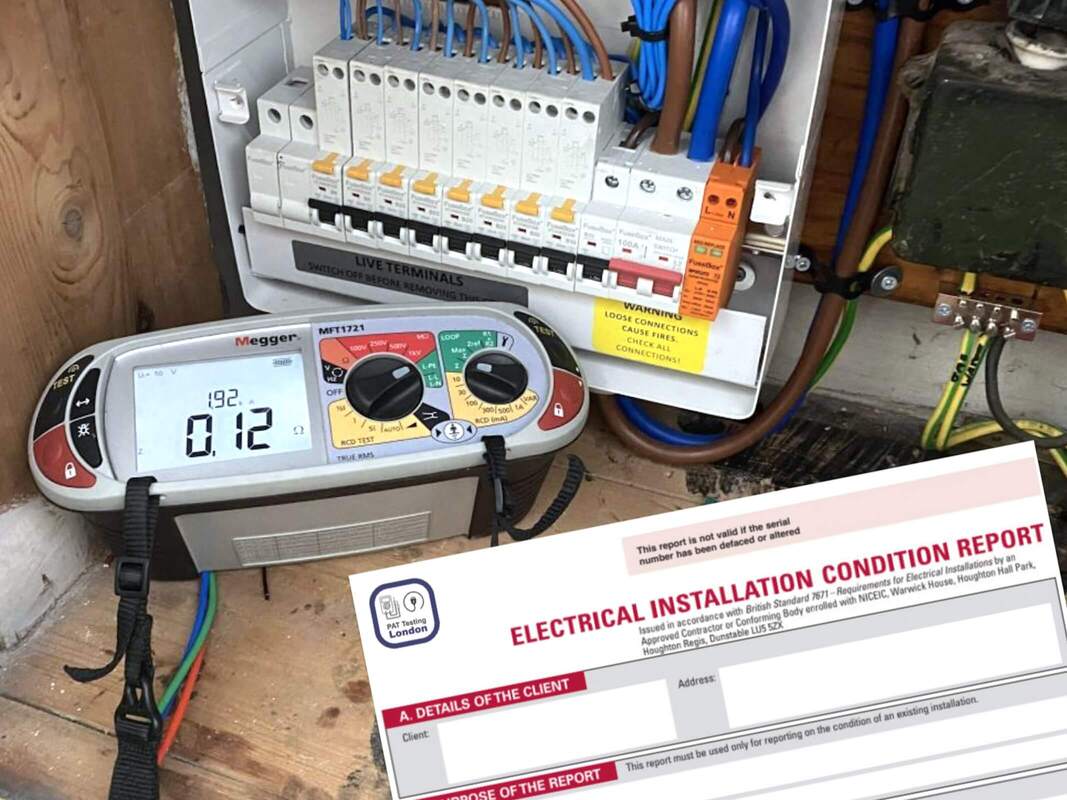
An Electrical Installation Condition Report (EICR) is a legal requirement for all rental properties in the UK. Valid for up to 5 years, this essential document verifies that your electrical installations are safe for continued use.
Since 2020, private landlords must ensure that electrical installations are inspected and tested by a qualified person at least every five years. A "Satisfactory" report is required to comply with the Electrical Safety Standards in the Private Rented Sector Regulations. We specialise in helping landlords stay compliant with minimal disruption.
Many building insurance providers now require a valid EICR as a condition of cover. Without one, claims relating to electrical fires may be rejected.
Local authorities have the power to issue civil penalties of up to £30,000 for landlords who fail to provide a valid EICR when requested.
Beyond legal compliance, an EICR identifies hidden dangers such as overloaded circuits, lack of earthing, or fire risks within the consumer unit. Our engineers provide a clear, jargon-free summary of any remedial works required to bring your property up to current British Standards (BS 7671).
Qualified Engineers | NICEIC / NAPIT Approved Electricins
When engineers inspect your property, they categorise findings into specific codes. Understanding these is essential for maintaining your legal "Satisfactory" status.
C1 codes indicate immediate danger, while C2 codes signify urgent potential danger. Either of these results in an 'Unsatisfactory' report, meaning remedial work must be completed within 28 days.
A C3 code identifies a non-compliance with the latest wiring regulations that isn't currently dangerous. A property can still receive a 'Satisfactory' overall rating even if C3 codes are present.
Regulatory Note: Under the 2020 Regulations, landlords must provide a copy of the EICR to their tenants within 28 days of the inspection or risk significant local authority fines.
Q: How long does an EICR assessment take?
An EICR assessment typically takes between 1-2 hours, depending on the size of the property and the complexity of the electrical system. Larger properties with more circuits or older systems may take longer to inspect.
Q: Do I need to be present during the EICR assessment?
It’s not necessary for you to be present, but it can be helpful if you’re available to answer any questions or provide access to areas like fuse boards or electrical installations.
Q: What happens during an EICR assessment?
The assessor will examine your property’s electrical installation, including wiring, fuse boards, and electrical appliances, to ensure they meet safety standards. They will check for any potential hazards, such as overloaded circuits or faulty wiring, and identify any necessary improvements.
Q: How long is an EICR certificate valid for?
An EICR is valid for 5 years or until there is a significant change to the electrical system, such as a renovation or major electrical work.
Our online booking system is available 24/7 and allows you to book your EPC, EICR, or Gas Safety Certificates at a time that suits you best.
Steps to Book Online:
Visit our website and go to the booking page.
Select the service(s) you need (EPC, EICR, Gas Safety Certificate).
Choose your preferred time and date for the inspection.
Enter your details, address and payment information.
Confirm your booking and receive an instant confirmation email.
Advantages:
Fast and easy to schedule.
Available at any time, day or night.
Receive instant confirmation.
If you prefer to book via email or need more information before making a decision, simply email us with your booking request. We’ll get back to you promptly with available dates and confirmation of your appointment.
Email: support@firstcertify.co.uk
Advantages:
Convenient for those who prefer written communication.
Get a detailed response with all your questions answered.
Can be used for more complex inquiries or bookings.
Brighton & Hove
Crawley
Worthing
Bognor Regis
Eastbourne
Hastings
Lewes
Shoreham-by-Sea
Littlehampton
Burgess Hill
Haywards Heath
Lancing
Central London
North London
South London
East London
West London
Greater London Area
Maidstone
Canterbury
Tunbridge Wells
Dover
Ashford
Folkestone
Chatham
Rochester
Gillingham

First Certify is rapidly expanding, and consequently, we are looking for qualified electricians to provide EICR inspections across Sussex, London, and the South East. Because the property market faces stricter safety regulations, we are currently seeing a record demand for electrical safety reports.Additionally, we offer our engineers steady, reliable work with a professional back office team. This team handles all the scheduling and admin tasks so that you can focus entirely on the inspection.
Work with usWe provide EICRs and property certification in the following locations:
First Certify provides compliance certification for landlords and agents across the UK.
Contact us if your area is not listed.